
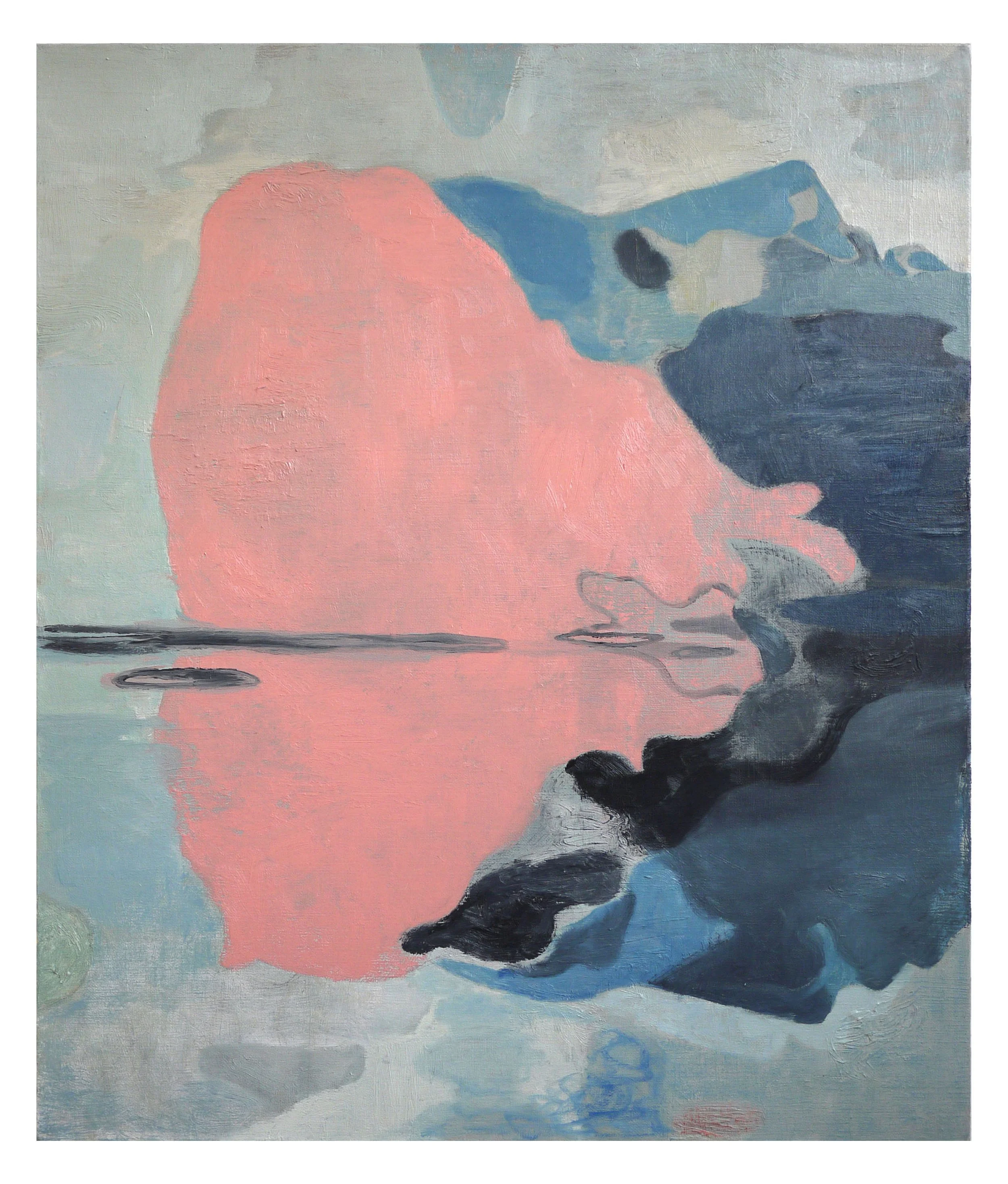
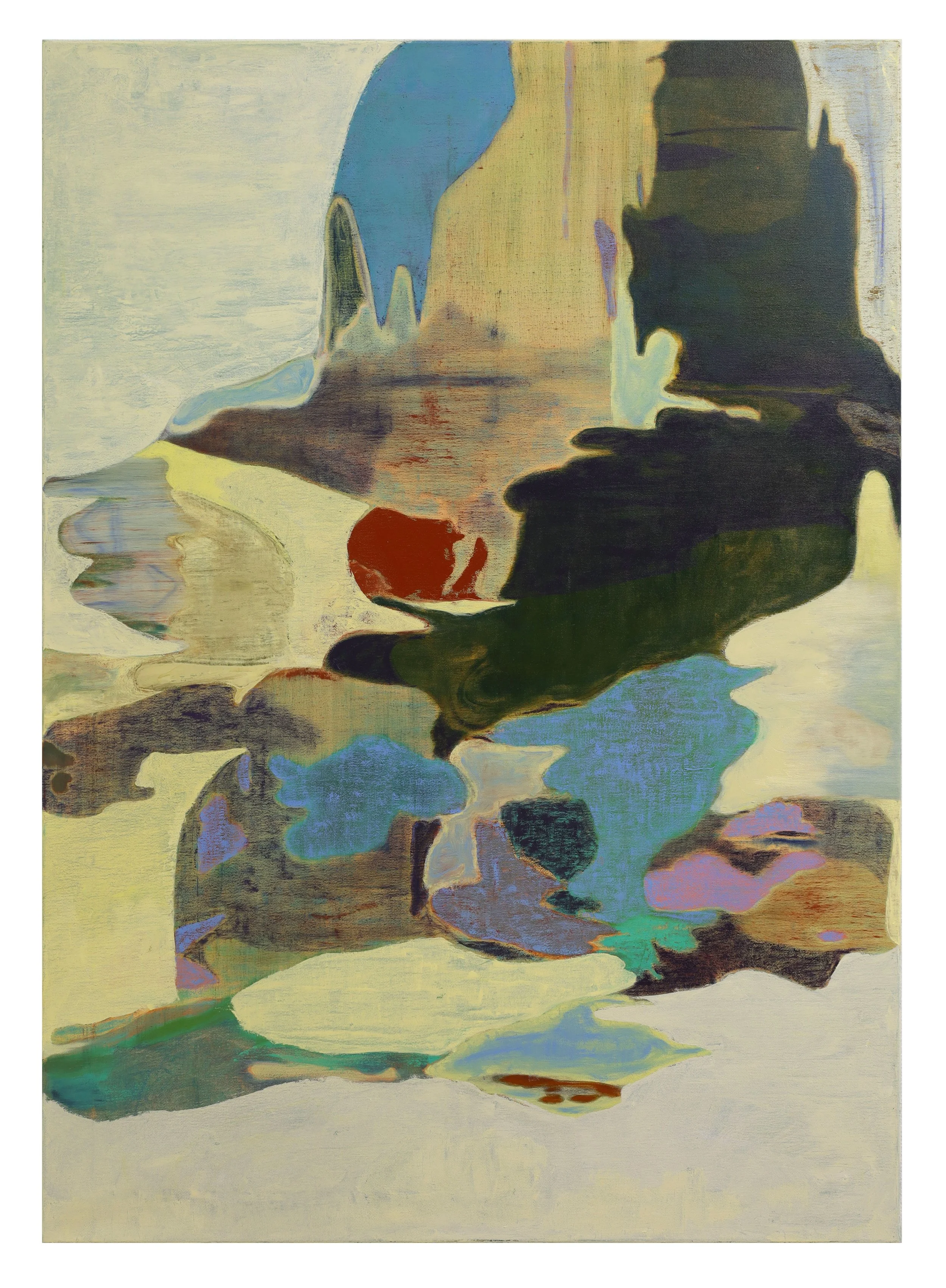
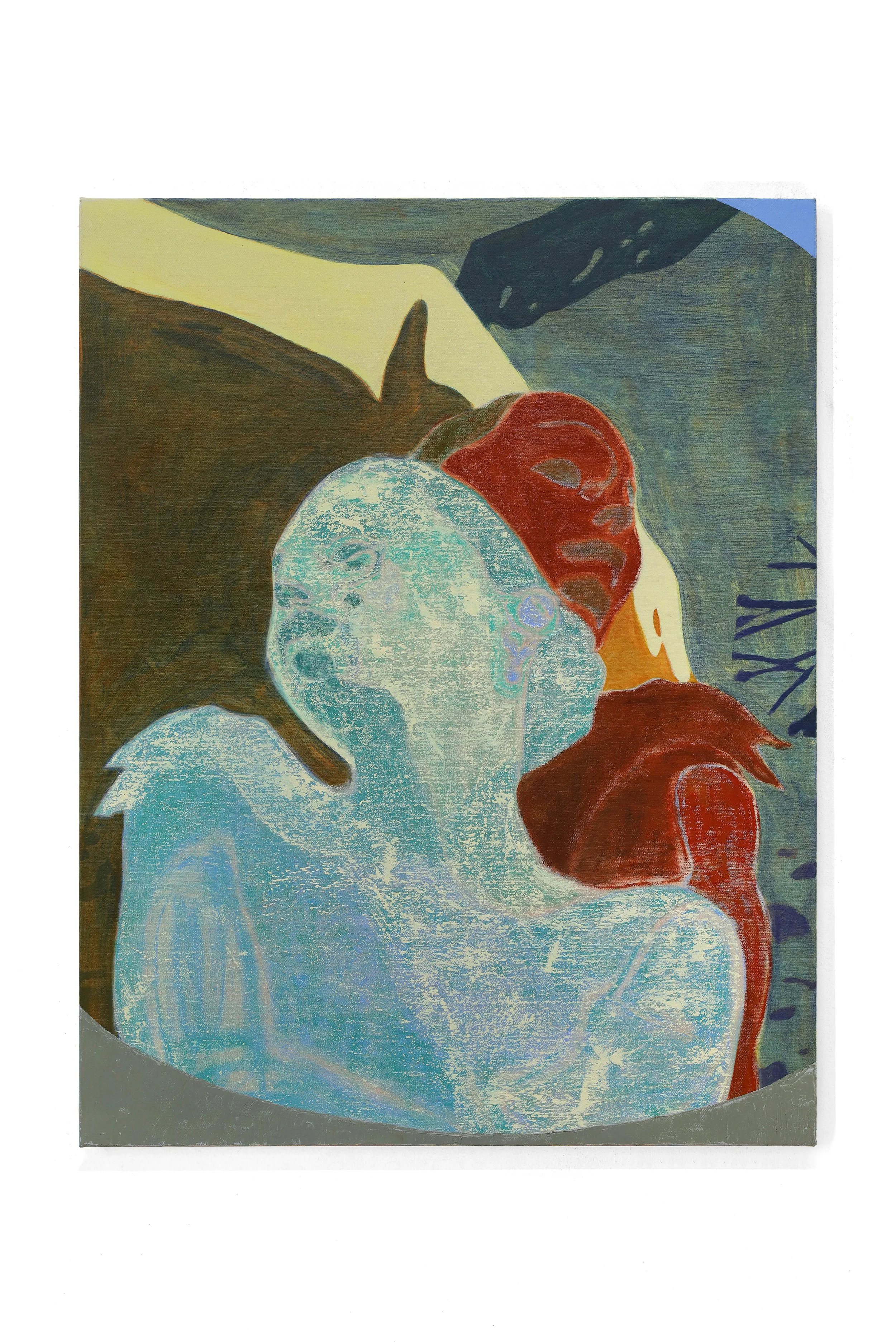
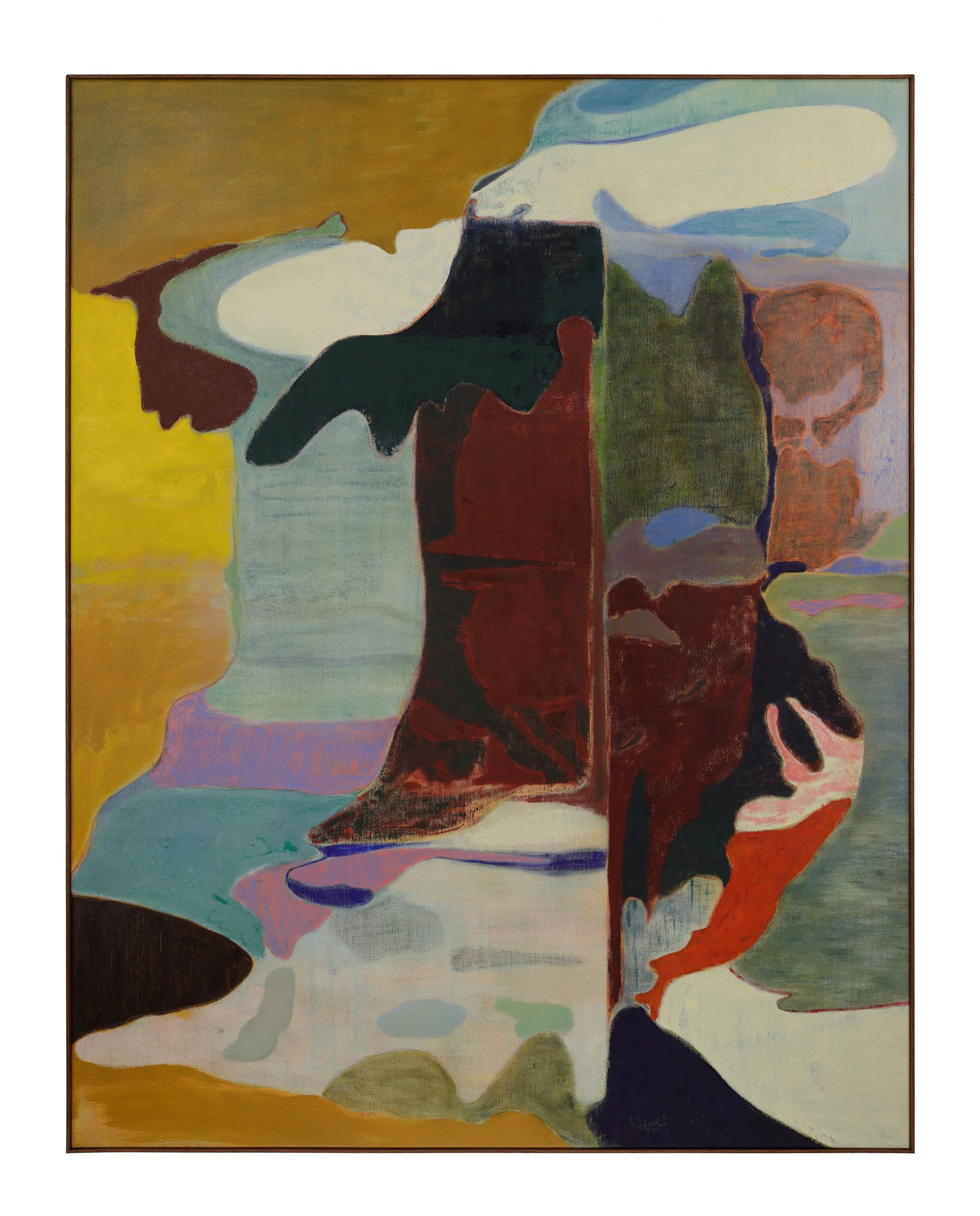
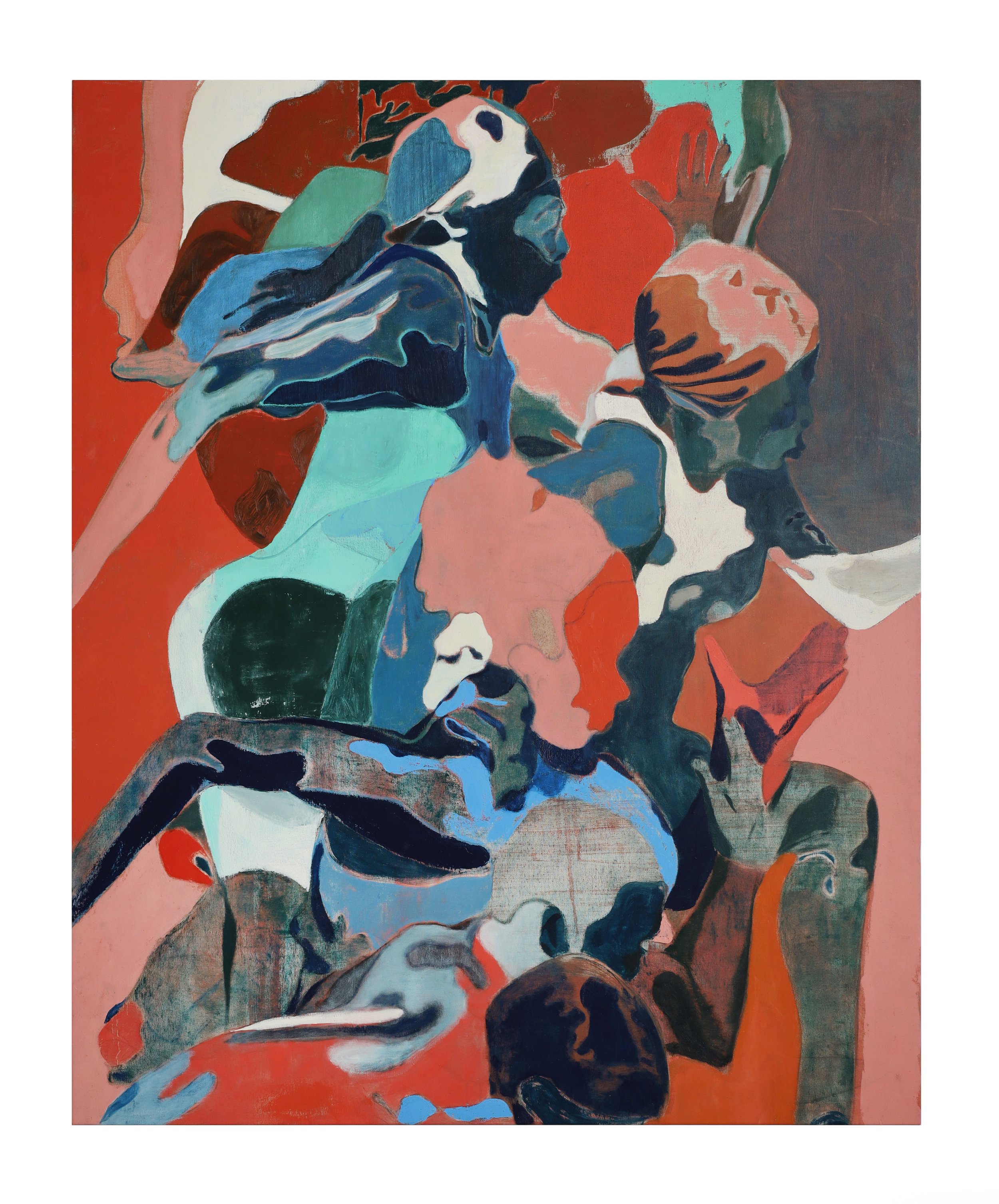
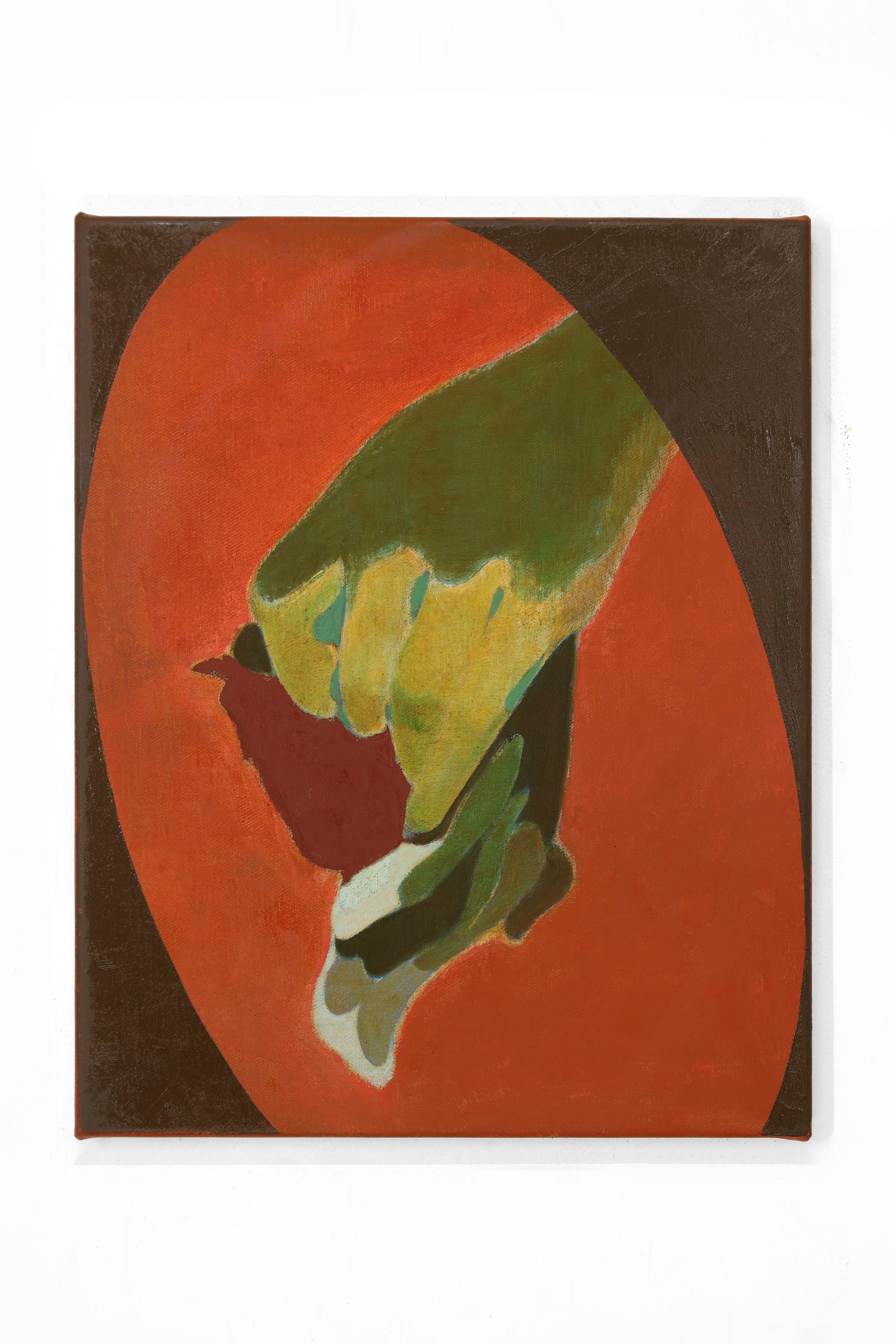
As I select images for this piece, I’m compelled to reconcile with the shifts that have occurred in my work over the past few years. A thread connects these works across various series—perhaps color and form unite them—but fundamentally, my practice has always been driven by a constant questioning and inquiry into ways of seeing and engaging with an image. Painting, as a medium, offers multiple routes to representation.
The theme of this issue is Air, and I believe my work brings a sense of fluidity, both in appearance and ideas. I often return to Miles Davis’s quote, “Play what’s not there,” as a reminder to resist temptation while painting—to avoid stagnation, keep moving, and flow forward in an organic way. Sometimes, I leave a work with a sense of uncertainty, as if it will resolve itself over time without my supervision. In this way, I see painting as something that can be harnessed yet also something that exists beyond the artist’s control. The more I embrace this temporary relationship, the more I’m willing to surrender control and take greater risks. Much of my writing is framed by this way of thinking—positioning myself in relation to something that is constantly shifting, changing, abstracting, morphing. How do I adapt to it? What can I learn from it?
The act of inhaling and exhaling serves as a fitting metaphor for painting—an ebb and flow of visual dialectics, always in motion. I like to think of perception in painting as twofold, experienced in entirely different ways by the artist and the viewer. For the artist, it begins with sourcing and visualizing the image; for the viewer, it is an act of perceiving, interpreting, and re-experiencing. Along this journey, the image can arrive at countless states.
How we see, how we recall what has been told—how an image, a scene, or an object is viewed a second time—is a step toward abstraction. For me, abstraction is a retelling of an image, whether representational or not. Like the retelling of a story, it is never flawless—liberties are taken, pauses emerge where there was once flow, verbosity replaces restraint. The narrative is contained within the retelling, in the small, incidental nuances of that act.”